How to Find Reliable Roofing Professionals in Succasunna, NJ
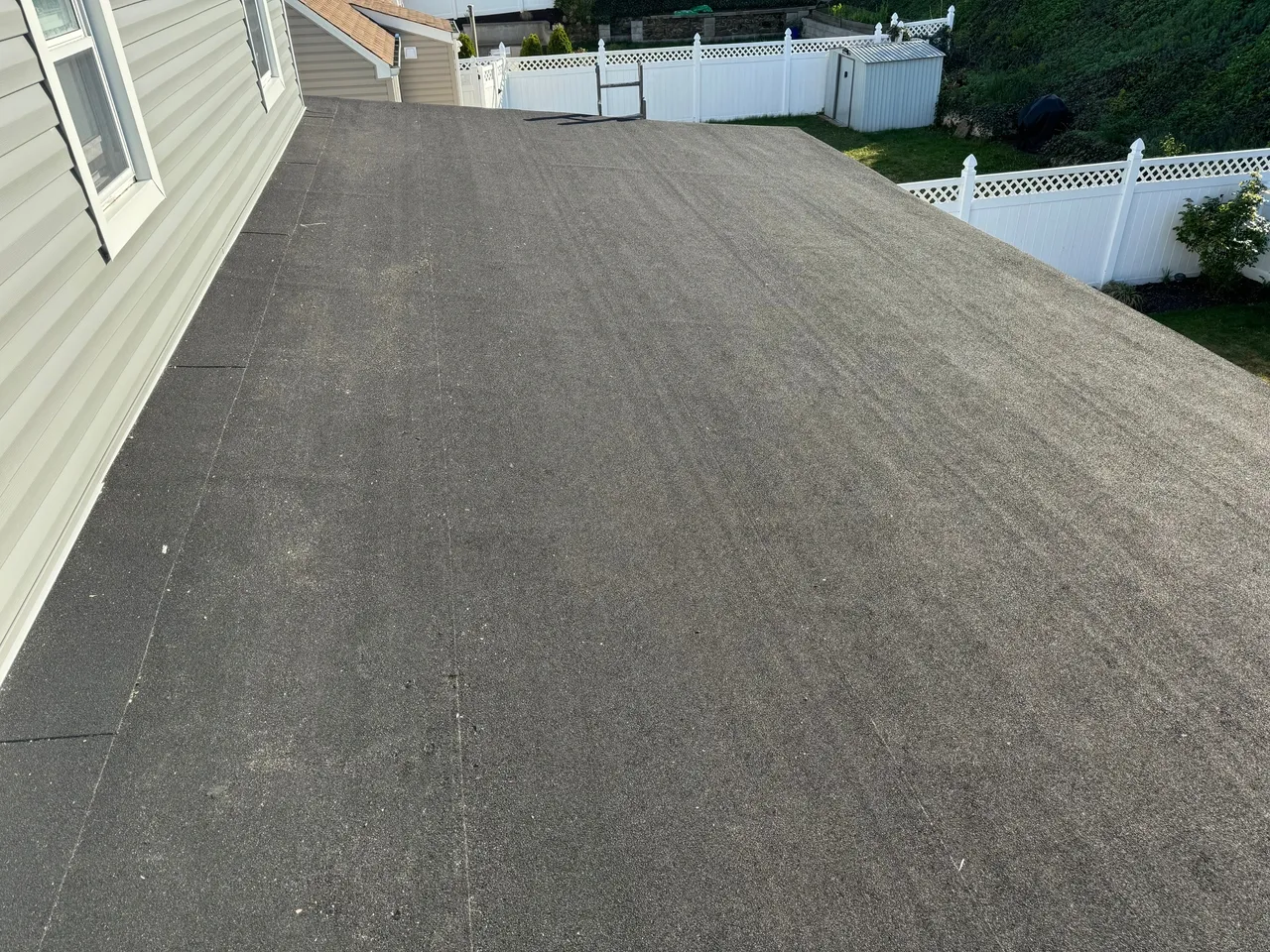
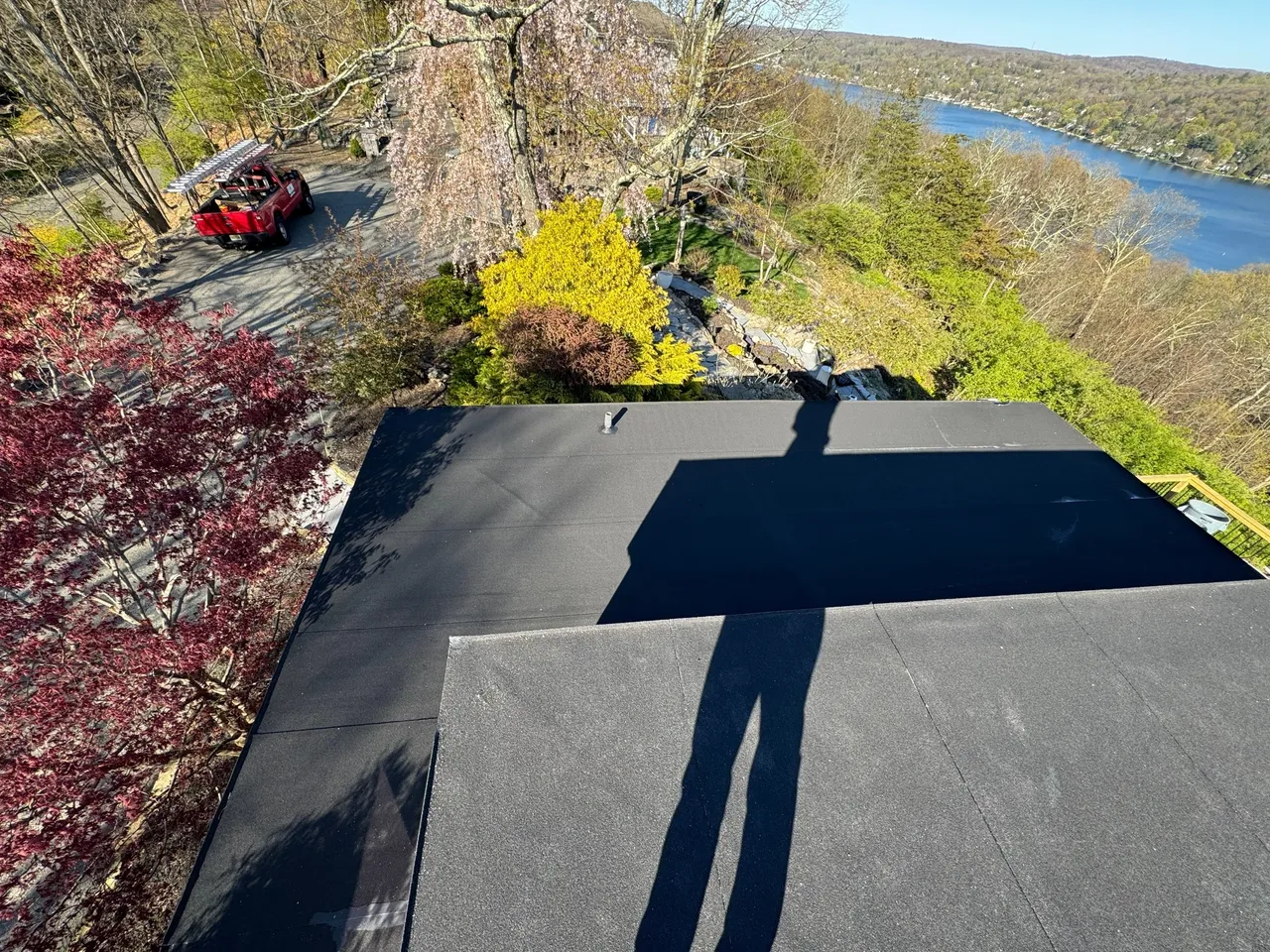

A roof tends to stay out of sight until it stops doing its job. Then it becomes the most important part of the house overnight. A small leak near a chimney flashing can turn into stained ceilings, wet insulation, mold growth, and damaged framing faster than most homeowners expect. In a place like Succasunna, where roofs deal with winter snow loads, spring rain, summer heat, and the occasional wind event, hiring the right roofing professional is less about getting a quick fix and more about protecting the structure as a whole.
That is where many homeowners run into trouble. Roofing is one of those trades where the gap between a true professional and an opportunistic contractor can Roof Replacement Succasunna, NJ be wide. From the curb, two crews may look the same. Both have trucks, ladders, bundles of shingles, and branded shirts. What separates them is harder to spot at first glance: planning, workmanship, insurance, communication, and whether they treat the roof as a system rather than a stack of materials.
If you are trying to sort through estimates for repairs or a full Roof Replacement Succasunna, NJ project, it helps to know what reliability looks like in practical terms. Not in slogans, not in flashy ads, but in the details that affect how the job will go once the first bundle comes off the truck.
Why local experience matters more than most people think
Roofing is always local. The same product line can perform differently depending on ventilation, tree cover, roof pitch, exposure, and weather patterns. A contractor who regularly works in and around Succasunna usually understands the kinds of issues that show up on homes in Morris County. That includes ice dam risk along eaves, moisture problems in older attic spaces, flashing trouble where additions meet the main roofline, and the wear that comes from years of freeze-thaw cycles.
Local experience also matters because it tends to sharpen judgment. A roofer who has replaced many roofs in the area often knows which material choices make sense for certain neighborhoods and house styles. On a simple ranch with easy access, the crew can move efficiently. On a colonial with a steep rear slope, limited driveway space, and mature landscaping, the planning changes. Reliable roofers account for those practical realities up front. Less reliable ones discover them after the contract is signed and start introducing “unexpected” costs.
There is another layer here that homeowners sometimes overlook. Contractors with real local roots have reputations they need to maintain. They are more likely to have repeat business, referrals from nearby homeowners, and a record that can be checked beyond a polished website. That does not guarantee quality, but it does make accountability more likely.
Start with the estimate, but read between the lines
A written estimate is not just a price. It is a window into how a contractor thinks. Two bids can be close in total cost and still be miles apart in quality.
A reliable roofing professional will usually inspect more than the obvious damaged area. They look at the roof deck condition, flashing details, valleys, ridge ventilation, intake ventilation, pipe boots, chimney areas, and how water moves off the roof. They may ask about attic moisture, previous leaks, or whether ice dams have occurred before. That kind of curiosity is a good sign. It suggests they are diagnosing causes, not just pricing symptoms.
By contrast, vague estimates often signal trouble. If the proposal says little more than “tear off and replace roof” with a single lump sum, you do not really know what you are buying. Will damaged plywood be replaced, and if so, at what cost? What underlayment is included? Are flashings being replaced or merely reused? Is cleanup specified? Is permit handling addressed? These details affect both performance and price.
The lowest bid is not always wrong, but it should trigger questions. Sometimes it reflects a lean, efficient operation. Other times it means corners will be cut where homeowners cannot easily see them, such as underlayment quality, flashing work, ventilation corrections, or cleanup labor. Roofs often fail at the transitions and penetrations, not in the wide open field of shingles. Cheap bids have a way of saving money exactly where the risk is highest.
The paperwork should be boring, clear, and complete
Good contractors rarely hide behind complicated language. Their paperwork tends to be straightforward. That simplicity is reassuring. It means they know their process and have nothing to blur.
A dependable roofing proposal should identify the scope of work, materials, approximate timeline, payment terms, warranty information, and how unforeseen deck replacement or hidden damage will be handled. It should also identify who is responsible for permits if they are needed.
One of the biggest red flags is pressure to pay too much up front. Deposits are common, especially when materials must be ordered, but heavy prepayment demands can indicate cash flow trouble or weak business practices. On roofing jobs, payment schedules that correspond to progress are generally easier to justify than a large advance with little detail.
Insurance documentation matters just as much. A roofing crew works at height, removes structural coverings, and handles debris. Homeowners should not treat insurance certificates as optional paperwork. Ask to see proof of liability coverage and workers’ compensation coverage, and make sure the documents are current. If a contractor hesitates, changes the subject, or claims this is unnecessary, that is useful information.
What reliable roofers tend to do differently
The strongest contractors usually stand out in ordinary moments, not dramatic ones. Reliability shows up in habits.
- They inspect thoroughly before quoting, rather than guessing from the driveway.
- They explain the roof system in plain language, including underlayment, flashing, and ventilation.
- They document the scope clearly, especially what is included and what could change.
- They communicate realistically about scheduling, weather delays, and cleanup.
- They do not rush you into signing on the spot.
None of this is glamorous, but it is the kind of professionalism that prevents disputes later. A reliable roofer is often slightly less exciting than a slick salesperson. That is usually a good trade.
Reviews help, but they need to be read with judgment
Online reviews are useful, just not in the simplistic way many people use them. A long run of perfect five-star reviews with nearly identical wording can tell you less than a smaller set of detailed, believable comments. What you want is texture. Did the reviewer mention how the company handled cleanup? Were there notes about communication during weather delays? Did anyone describe how the company addressed a problem after installation? Those details are hard to fake consistently.
The most revealing reviews often sit in the middle. A company with dozens of reviews over several years, most of them positive and a few of them mixed, can actually appear more credible than a profile that looks too polished. Pay attention to how the company responds when someone is unhappy. A defensive or combative response often tells you more than the original complaint.
Referrals from neighbors can be even more helpful, especially if the roof was installed a few years ago. A roof often looks great in the first month. The better question is how it performs after several New Jersey winters, after heavy rain, and after the house cycles through full seasons.
If you can, drive by a recent project. Look at the shingle lines, the ridge, the flashing areas you can see from the street, and the general neatness of the work. You are not trying to do a technical inspection from the curb. You are trying to get a feel for whether the crew leaves behind clean, orderly results.
Repairs, replacement, and the danger of false economy
Not every roofing issue requires replacement. A reliable contractor should be comfortable saying that a repair makes more sense if that is truly the case. That might involve replacing a section of damaged shingles, correcting flashing around a vent stack, resealing a chimney counterflashing area, or addressing a localized leak path. The best roofers do not turn every service call into a sales pitch for a full reroof.
At the same time, there are moments when patching becomes the expensive option. If a roof is near the end of its service life, has multiple leak points, poor ventilation, and widespread shingle deterioration, ongoing repairs can become a cycle of temporary fixes. In those cases, honest guidance matters. Homeowners do not need fear tactics, but they do need straight answers.
I have seen situations where a homeowner paid for three separate Roof Replacement Succasunna, NJ repairs over eighteen months, each one addressing a visible symptom, only to replace the entire roof shortly after. The total spent ended up being far higher than if the replacement decision had been made earlier. That does not mean replacement is always the right call. It means the contractor’s job is to frame the real trade-off: short-term cost versus long-term value.
This is especially relevant when discussing Roof Replacement Succasunna, NJ projects. Older homes often have layers of history tucked beneath the shingles, including prior repairs, ventilation shortcuts, and flashing details that no longer meet current best practice. A professional should prepare you for what may be discovered during tear-off without using that uncertainty as an excuse for sloppy estimating.
Ventilation is not a side note
Many roof problems blamed on shingles actually start with poor attic ventilation. Excess heat can shorten shingle life. Moisture buildup can lead to mold, wood rot, and insulation problems. In winter, trapped warm air can contribute to uneven roof temperatures and ice dam formation.
Reliable roofers bring ventilation into the conversation early. They may inspect soffit intake, ridge exhaust, gable vent interactions, and signs of condensation in the attic. They should be able to explain, in plain terms, whether the house is venting adequately and whether a new roof would benefit from changes.
This is one area where homeowners are often tempted to skip upgrades because the benefit is not visible from the street. That is understandable. Flashing replacements, proper intake paths, and balanced ventilation do not have the same emotional appeal as a new shingle color. Yet these hidden elements often have a bigger impact on roof performance than cosmetic choices.
Ask questions that reveal how they work
Some questions are more useful than others. “Are you the best roofer in town?” will only produce sales talk. Better questions invite specifics. Ask who will supervise the job, how your landscaping will be protected, what happens if damaged sheathing is found, and whether flashings are being replaced. Ask how they handle weather interruptions and what cleanup looks like at the end of each day.
Here are a few questions worth asking before you sign:
- Will you replace flashing at chimneys, walls, and penetrations, or reuse existing metal where possible?
- How do you handle rotten or delaminated roof decking discovered during tear-off?
- What ventilation changes, if any, do you recommend for this house?
- Who is on site during the job, and who should I contact if something changes?
- How is the warranty divided between workmanship and manufacturer coverage?
A skilled contractor should answer these without getting irritated or evasive. If anything, good roofers appreciate informed customers because clear expectations lead to smoother jobs.
Pay attention to how the company handles small details
The way a contractor handles minor logistics often predicts how they will handle larger complications. If their office does not return calls, if promised documents do not arrive, or if appointment windows slide repeatedly without explanation, take that seriously. Roofing projects involve scheduling labor, ordering materials, watching the weather, and coordinating inspections where needed. A company that cannot manage basic communication before the contract is signed is unlikely to become more organized once the job begins.
You should also notice whether the estimator respects the property. Do they walk the perimeter carefully? Do they look at attic access if relevant? Do they mention protecting driveways, siding, shrubs, and air conditioning units from falling debris? These are practical concerns, not niceties. Roof replacement is messy work. Nails, old shingles, and wood scraps have to go somewhere. Cleanup is part of the job, not a courtesy.
A contractor who describes magnetic nail sweeping, tarp protection, and debris management in concrete terms is showing you how they think. They understand that the homeowner lives with the consequences after the crew leaves.
Material options matter, but installation matters more
Homeowners often spend a lot of time comparing shingle brands and colors. That is understandable, especially because the roof has a major effect on curb appeal. But across many homes, the difference between a well-installed midrange shingle and a poorly installed premium shingle is huge. Quality installation wins almost every time.
That does not mean materials are interchangeable. Underlayment, starter strips, ridge products, ice and water protection, and flashing components all matter. Certain roofs also benefit from upgraded impact resistance or algae-resistant shingles depending on tree cover and environmental conditions. The point is that materials should be discussed as part of a system. A contractor who only talks about shingle color while skimming over flashing and ventilation is not focusing on the right things.
If you receive competing bids that use different material packages, ask each contractor to explain why they chose that assembly for your home. Their reasoning will tell you a lot. Experienced professionals can justify their recommendations with specifics about slope, exposure, attic conditions, and durability, rather than brand loyalty alone.
Scheduling and weather require realism
Roofing schedules are vulnerable to weather, and New Jersey weather does not always cooperate. A reliable roofer will explain this without using it as a blanket excuse. They should give you a reasonable time window, discuss what happens if rain interrupts the job, and describe how the house will be protected if work spans more than one day.
Fast scheduling can be appealing, especially if there is an active leak, but homeowners should be cautious about contractors who promise immediate starts with no real assessment of workload or weather. Sometimes speed is legitimate. Sometimes it means they have open time because other customers are avoiding them.
On the other side, a long wait is not always a sign of quality either. Strong demand can indicate a good reputation, but it should come with clear communication and a realistic calendar. What matters is whether the company gives you a believable plan and sticks to it as closely as conditions allow.
Warranty language deserves a careful look
Warranties are often presented as reassuring, but they can also be misunderstood. Manufacturer warranties usually cover defects in the roofing product itself under certain conditions. Workmanship warranties cover installation errors by the contractor. Those are not the same thing, and homeowners should know the difference.
A solid workmanship warranty has real value because many roofing failures relate to installation details rather than defective shingles. At the same time, the paper only matters if the company will still be around to honor it. That is another reason local track record matters. A long workmanship warranty from a company with a short, unstable history may not be worth as much as a more modest warranty from a well-established local business.
Ask how warranty claims are handled. Who do you call first? How quickly do they typically respond to reported issues? The tone of the answer matters. Reliable contractors do not act offended by the question.
Trust your judgment when something feels off
Homeowners sometimes ignore their instincts because they are focused on price or worried about delaying the job. That hesitation is understandable, especially when there is visible water damage. Still, certain warning signs are hard to explain away. High-pressure sales tactics, refusal to provide documentation, vague scope descriptions, cash-only preferences, or attempts to manufacture urgency should all slow the process down.
The best roofing hires rarely come from panic decisions. Even when time is tight, a short pause to compare documents, verify insurance, and ask better questions can save thousands of dollars and months of frustration.
A roof is not just another home improvement line item. It is a weather barrier, a moisture control layer, a ventilation component, and a major structural protector all at once. Finding the right professional in Succasunna means looking past advertising and focusing on habits, transparency, and local competence. The companies worth hiring usually make that easier, not harder. They explain the work clearly, price it honestly, and treat the hidden parts of the job with the same seriousness as the visible ones. That is what reliability looks like when the ladders go up and the real work begins.
Royalty Exteriors
151 NJ-10 Suite 103A, Succasunna, NJ 07876, United States
+1 973-333-7234
FAQ About Roof Replacement Succasunna, NJ
What are signs a roof needs replacing?
Widespread shingle deterioration, repeated leaks, or damaged decking can point to a larger problem. A roofer can inspect the roof covering, flashing, and deck to determine whether the damage is localized or whether replacement makes more sense.
How long does it take to reroof a 2000 square foot house?
Royalty Exteriors estimates one to three days for many single-family roof replacements. A house’s floor area does not tell you the actual roof area. Pitch, roof features, weather, and any decking repairs can change the schedule.
How long should a roof last in NJ?
There is no single lifespan for every roof. Material, installation quality, attic ventilation, maintenance, and exposure to storms all affect how long a roof remains serviceable. An inspection can help you assess its condition and plan for replacement.