Roof Replacement Succasunna, NJ: Planning Ahead for a Hassle-Free Experience

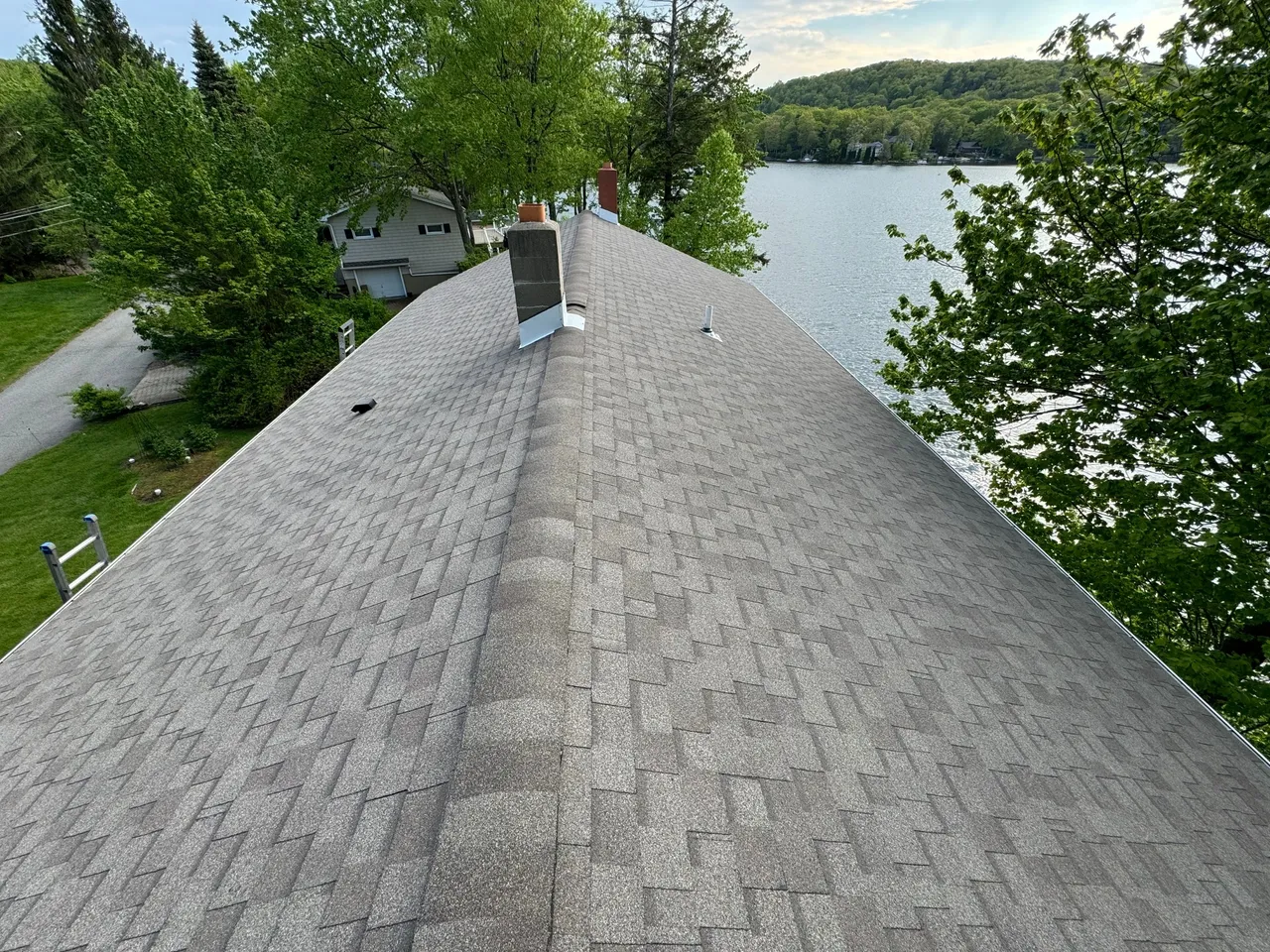
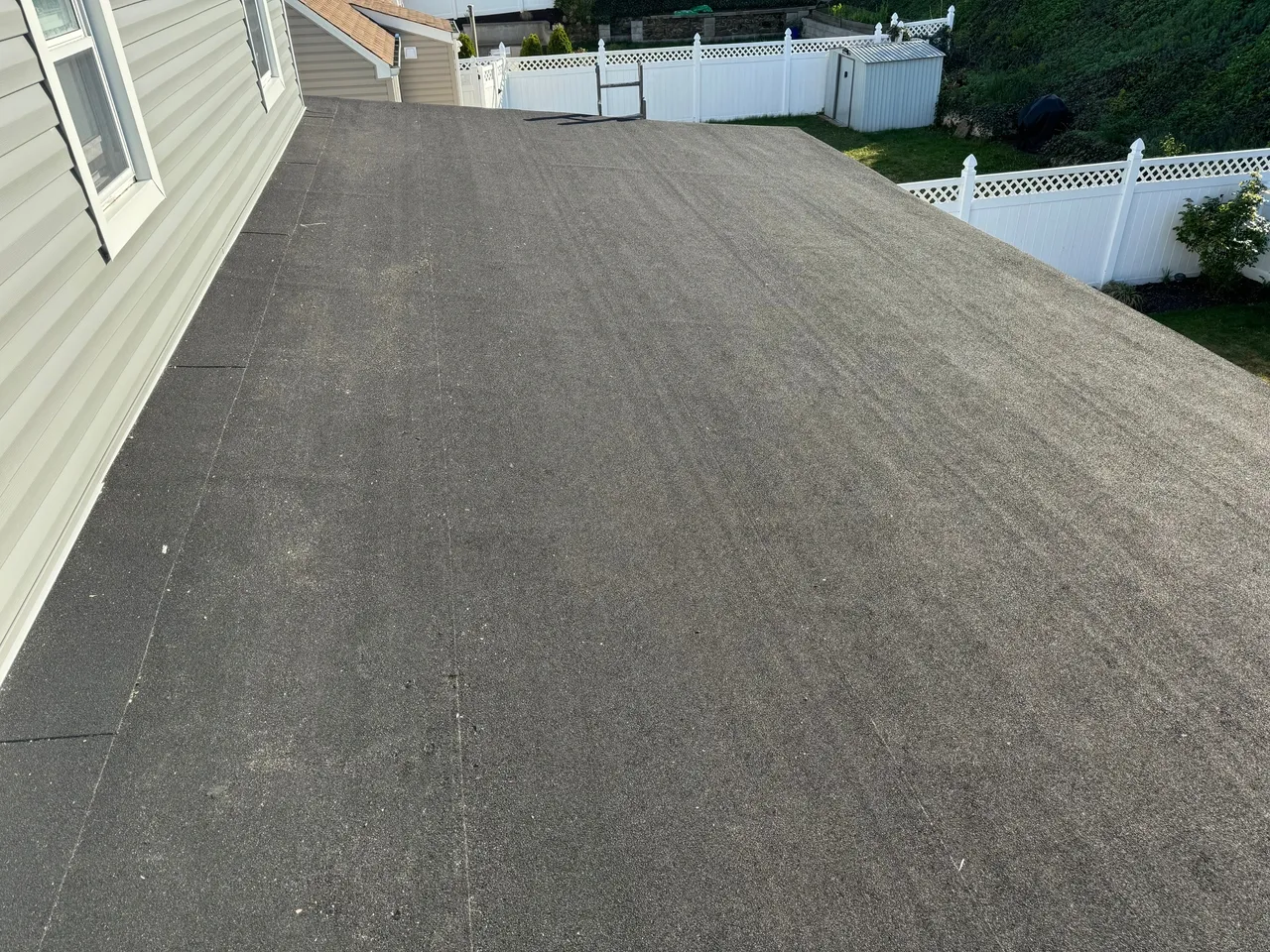
A roof replacement tends to move to the top of the priority list for one simple reason: once a roof starts failing, the rest of the house is exposed. Water does not stay politely in one place. It travels along rafters, soaks insulation, stains ceilings, and can turn what looked like a manageable exterior project into drywall, flooring, and mold remediation inside.
Homeowners in Morris County often put off replacement longer than they should, partly because roofing feels disruptive and expensive, and partly because many roofs decline gradually. A shingle here, a small stain there, some granules in the gutter after a storm. It is easy to tell yourself you have another year. Sometimes you do. Sometimes that “another year” becomes the season when a hard rain finds the weak spot.
If you are thinking about Roof Replacement Succasunna, NJ, the best approach is not to wait for an emergency. Planning ahead gives you more choices, better scheduling, and a much smoother experience from the first estimate to the final cleanup. It also helps you protect your budget, your landscaping, and your peace of mind.
Why timing matters more than most homeowners expect
Roofing is one of those projects where timing affects almost everything. A homeowner who calls after an active leak during a wet week is in a very different position than someone who starts the process while the roof is still functioning, but clearly aging.
When you have time on your side, you can compare contractors carefully, discuss material options without pressure, and choose a start date that works for your household. You can also line up related work, such as replacing skylights, improving attic ventilation, or repairing damaged fascia, rather than making rushed decisions while water is dripping into a bedroom.
In Succasunna, weather adds another layer. New Jersey roofs have to handle heat, winter freeze-thaw cycles, wind-driven rain, and snow loads. That means roofing crews pay close attention not just to the season, but to the weekly forecast. A well-planned job can be scheduled around these realities. A last-minute emergency job often cannot.
I have seen the difference in how homeowners experience the same basic project. One family starts planning in early spring, reviews samples at the kitchen table, and gets a clean one-day tear-off and replacement in mild weather. Another waits until late fall after spotting interior damage, then spends three anxious weeks juggling temporary tarps, insurance calls, and contractor availability. The roof may end up sound in both cases, but the stress level is nowhere near the same.
The signs that a replacement should move from “someday” to “soon”
Some roofs fail dramatically after a storm. More often, they wear out in a way that Roof Replacement Succasunna, NJ is easy to underestimate. The typical homeowner is not climbing onto the roof every month, and that is probably for the best. Still, there are clues visible from the ground and from inside the house.
Curling or cupping shingles are a common warning sign, especially on older asphalt roofs. Missing shingles matter too, but what concerns experienced roofers just as much is widespread wear. If the shingles are brittle, losing granules, or showing inconsistent patches, repairs can start becoming temporary fixes rather than real solutions.
Inside the home, water stains near chimneys, valleys, vent penetrations, or exterior walls deserve attention. Attics tell the truth as well. Daylight peeking through boards, damp insulation, or a musty smell after rain often point to problems overhead.
Age matters, though it should not be treated as the only measure. A roof that is 18 to 25 years old may still have life left if it was installed well and ventilated properly. A younger roof can fail early if workmanship was poor or if ventilation was neglected. This is why a seasoned inspection is worth more than guesswork based on age alone.
What “planning ahead” really means
For most homeowners, planning ahead does not mean becoming a roofing expert. It means making a series of practical decisions before urgency takes over.
Start with an inspection from a reputable roofing contractor, especially if your roof is older or you have noticed any symptoms inside. You want an honest assessment of whether the roof needs repair, partial replacement, or full replacement. Good contractors do not leap straight to the most expensive option. They explain what they see, where the vulnerable areas are, and how much useful life likely remains.
Next comes scope. A roof replacement is rarely just “new shingles.” It may also involve underlayment, ice and water protection in critical areas, flashing replacement, ridge ventilation, pipe boot replacements, decking repairs if damaged wood is uncovered, and disposal. Homeowners often get tripped up when estimates look similar at the top line but differ dramatically in what is included. The cheapest proposal can become the most expensive once missing essentials are added back in.
Then there is the schedule. Families with young children, pets, home offices, or complicated parking situations should talk through logistics in advance. Roof replacement is noisy. It creates vibration. It brings trucks, debris trailers, and crews in and out of the property. None of that is unusual, but it is easier to handle when you expect it.
Choosing a contractor without getting distracted by the wrong things
Many homeowners focus first on shingle color, but the more important decision is who installs the roof. Materials matter, of course. Workmanship matters more.
A roof is a system, not a stack of parts. The shingles get the attention because they are visible, but leaks often start where transitions and penetrations were handled poorly. Chimneys, valleys, wall intersections, vents, and edges all need careful flashing details. An attractive shingle will not compensate for sloppy installation in those areas.
A trustworthy contractor should be able to explain the job in plain language. If they talk only in sales phrases and never get specific about ventilation, flashing, decking, cleanup, or warranty coverage, that is a warning sign. So is an estimate that feels vague. Clear proposals protect both sides.
It is also worth asking how unexpected decking damage is handled. This comes up regularly on older homes. No roofer can always know the condition of the wood beneath the shingles until tear-off begins. The right conversation is not whether that possibility exists, but how it will be documented and priced if it does.
Homeowners shopping for Roof Replacement Succasunna, NJ should also pay attention to local familiarity. A contractor who regularly works in the area is more likely to understand the weather patterns, common housing styles, and municipal expectations that shape roofing jobs in this part of New Jersey.
Materials are not one-size-fits-all
Most residential replacements in the area use architectural asphalt shingles, and for good reason. They offer a practical balance of cost, durability, appearance, and availability. But even within asphalt, there is a range of quality, warranty terms, and wind ratings.
A homeowner with a simple ranch may have different priorities than someone with a steep, complex roofline and several dormers. Darker shingles can create a bold look, but they may also show wear differently over time. Lighter tones can soften the appearance of the home and may complement certain siding colors better. Style matters, but performance and compatibility matter more.
Ventilation deserves real attention here. It is one of the least glamorous parts of the project and one of the most important. Poor attic ventilation can shorten roof life, contribute to ice dam issues, and affect energy performance. Many replacement projects are the best opportunity in years to correct a ventilation problem that has quietly stressed the roof system.
If your home has skylights, aging flashing around a chimney, or old gutter guards that complicate edge work, bring those up early. A replacement is often the right moment to deal with adjoining components rather than disturb the new roof later.
Understanding the estimate beyond the total price
Homeowners naturally look at the bottom line first. That is understandable. Roofing is a major expense. But the estimate deserves a slower read.
An estimate should make clear what is being removed, what is being installed, what type of underlayment is included, whether flashing will be replaced or reused where possible, how many layers are being torn off, how debris will be managed, and what cleanup should look like at the end of the job. It should also explain how hidden wood damage is handled if discovered.
There is no universal “right price” for a roof replacement because homes differ too much. Pitch, access, number of layers, complexity, material choice, and surprise repairs all affect cost. A simple one-layer tear-off on an accessible roof can be very different from a multi-level home with valleys, skylights, and difficult staging.
What matters is whether the proposal gives you enough detail to compare value honestly. If one estimate is dramatically lower than the others, find out why. Sometimes a contractor has lower overhead or favorable supplier pricing. Sometimes the estimate quietly excludes items the other proposals treat as standard. Those are very different scenarios.
The permit and paperwork side of the job
Homeowners often forget that a smooth project starts with paperwork as much as it does with shingles. Depending on the municipality and the nature of the work, permits or inspections may be required. Requirements can change, so the safe move is to confirm what applies to your specific property rather than rely on a neighbor’s past experience.
A good contractor should help clarify this process and explain who is responsible for permits, scheduling inspections if needed, and documenting the job. If you are filing an insurance claim after storm damage, keep your communication organized. Save photos, inspection notes, claim numbers, and copies of estimates. Small administrative habits make a big difference when questions arise later.
This is also the time to read warranty information carefully. Manufacturer warranties and workmanship warranties are not the same thing. Homeowners sometimes assume they are fully covered for any future issue, only to learn later that the problem falls into a category with limitations. Clear expectations now prevent frustration later.
Preparing your property before the crew arrives
A little preparation can make roof day far less disruptive. Roofing crews work efficiently, but they need room to Roof Replacement Succasunna, NJ operate safely. Vehicles, patio furniture, grills, potted plants, and fragile lawn items should be moved away from the work zone if possible. Inside the house, expect noise and vibration, especially if old decking or stubborn shingles are being removed.
This is one place where a short checklist actually helps:
- Move cars out of the driveway and away from the house before the crew arrives.
- Take down fragile wall decor or items on shelves, especially on upper floors.
- Cover or relocate attic belongings if dust is a concern.
- Secure pets and make a plan for children who may be unsettled by the noise.
- Let neighbors know a roofing project is scheduled, especially if parking is tight.
These are small steps, but they prevent avoidable headaches. I once saw a homeowner forget to move a car beneath the roof edge where the tear-off was happening. Nothing catastrophic happened, but the crew had to stop, track down the owner, and reshuffle the whole setup. Ten minutes of planning would have saved a lot of scrambling.
What the actual replacement day feels like
Even a well-run roof replacement is active, loud work. There will be boots overhead, materials moving, compressors running, and debris coming down into designated collection areas. For homeowners who work remotely, that can be the biggest surprise. Video calls and concentration-heavy tasks may be unrealistic for part of the day.
The good news is that experienced crews tend to work with impressive rhythm. Tear-off starts early. Damaged decking, if any, is addressed next. Underlayment and protective barriers go on. Flashing details are handled. Shingles are installed in coordinated sections. Cleanup is not an afterthought on a professional job, it is part of the production process.
Weather can interrupt even the best plan. What matters is how the contractor responds. A professional crew monitors the forecast, protects exposed areas if conditions shift, and communicates clearly about delays or schedule adjustments. Roofing always involves some unpredictability, which is exactly why planning and communication matter so much.
Common mistakes that create a rougher experience
Some roofing problems come from bad luck. Many come from avoidable decisions made before the first shingle is removed.
The most common mistake is waiting too long. The second is choosing purely by price. After that, I would put vague communication high on the list. If a homeowner and contractor do not discuss expectations around start times, access, cleanup, noise, change orders, and payment schedule, frustration tends to build even when the installation itself is sound.
Another issue is treating ventilation and flashing as secondary details. They are not secondary. They are where long-term performance is won or lost. Homeowners do not need to become technical experts, but they should expect the contractor to address these components directly rather than gloss over them.
A final mistake is assuming all roof replacements are identical. They are not. Two houses on the same street can have very different roof challenges based on pitch, attic conditions, prior repairs, chimney details, or even how much shade the roof gets. A tailored assessment beats generic advice every time.
Planning for the costs without getting blindsided
Budgeting for a roof replacement is easier when you leave room for the unknowns that commonly surface during tear-off. The biggest variable is usually decking repair. If water has been entering around a chimney, vent, or previous patch, some wood replacement may be necessary once the old roof is off.
Another factor is accessory replacement. Homeowners sometimes focus narrowly on shingles, then realize mid-project that old pipe boots, worn flashing, or aging skylight details should be updated while the roof is open. This is usually smart spending, but it is still additional spending.
If you are planning ahead rather than reacting to a leak, that gives you time to build a more realistic budget. It also gives you time to ask better questions. Not “What is the cheapest roof I can get?” but “What scope gives this house the most reliable, sensible result for the next couple of decades?” That is a much better framing.
After the crew leaves
A quality roof replacement should end with more than a stack of invoices and a clean yard. You should know what was installed, what warranties apply, and who to contact if you have a concern after the job is complete. It is reasonable to do a walkthrough, ask questions about anything that looks unfamiliar, and keep project documents in an easy-to-find place.
Pay attention after the next few storms, not because you should expect trouble, but because homeowners notice things then that they might miss on a dry, calm day. Check that gutters are flowing properly, look for anything unusual around flashing areas from the ground, and glance at the attic if that is safely accessible. A professionally installed roof should perform quietly, without drama. That is the goal.
For anyone considering Roof Replacement Succasunna, NJ, the main advantage of planning ahead is simple: it turns a stressful emergency into a controlled home improvement project. You get time to choose carefully, budget intelligently, prepare your property, and schedule the work on terms that fit your household.
A roof replacement is never a casual purchase. It is too important for that. But it does not have to feel chaotic. With the right timing, the right contractor, and a little foresight, it can be one of the more straightforward major improvements you make to your home.
Royalty Exteriors
151 NJ-10 Suite 103A, Succasunna, NJ 07876, United States
+1 973-333-7234
FAQ About Roof Replacement Succasunna, NJ
What are signs a roof needs replacing?
Widespread shingle deterioration, repeated leaks, or damaged decking can point to a larger problem. A roofer can inspect the roof covering, flashing, and deck to determine whether the damage is localized or whether replacement makes more sense.
How long does it take to reroof a 2000 square foot house?
Royalty Exteriors estimates one to three days for many single-family roof replacements. A house’s floor area does not tell you the actual roof area. Pitch, roof features, weather, and any decking repairs can change the schedule.
How long should a roof last in NJ?
There is no single lifespan for every roof. Material, installation quality, attic ventilation, maintenance, and exposure to storms all affect how long a roof remains serviceable. An inspection can help you assess its condition and plan for replacement.